How to Handle a Blown Transmission (and Pay for Repairs)
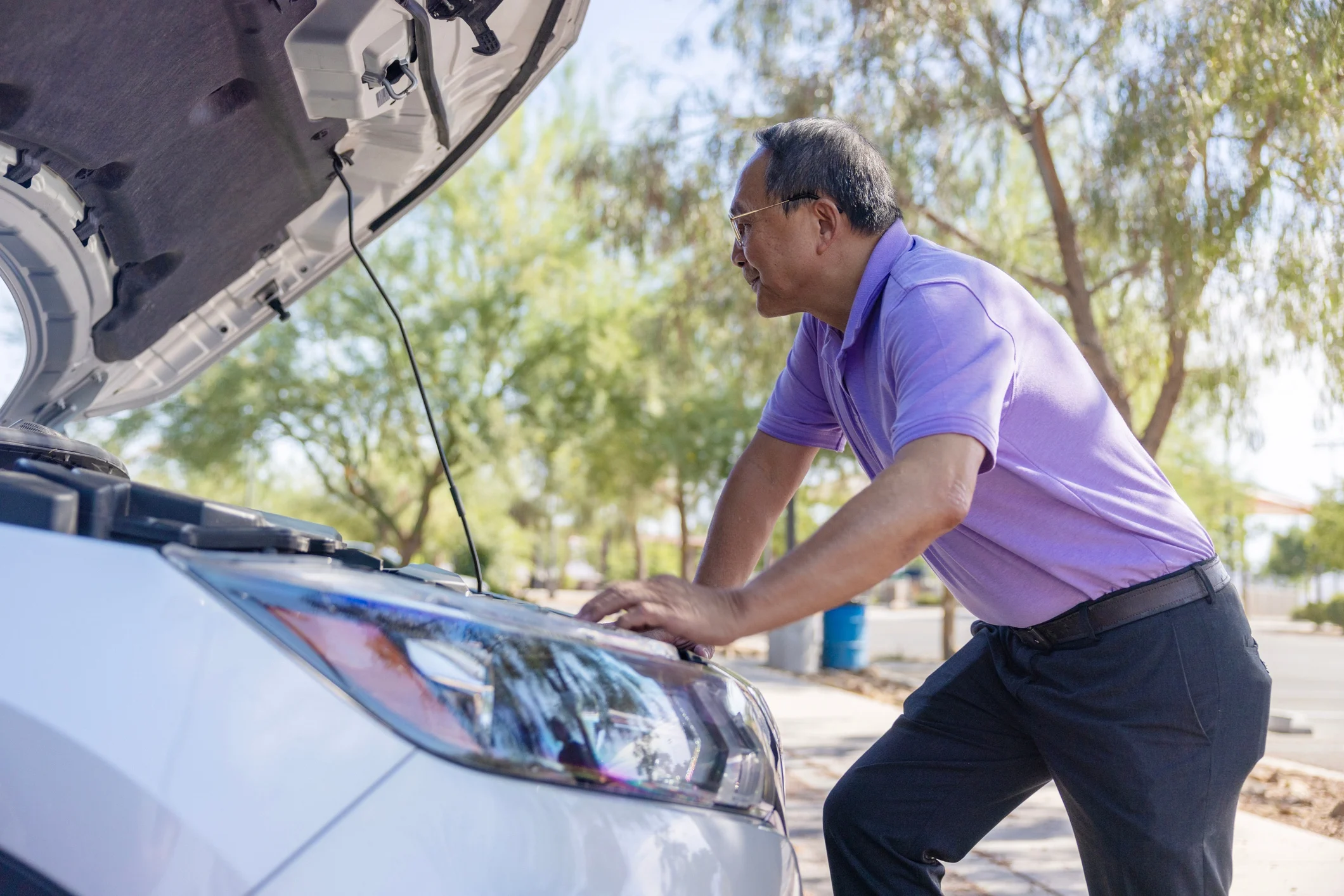
A transmission typically lasts somewhere between 100,000 and 250,000 miles (opens in new tab), depending on how well the vehicle is maintained and whether it’s automatic or manual. So if you’re driving a high-mileage vehicle, there’s an increased chance that you could run into transmission trouble at some point.
But how do you handle a blown transmission or other transmission trouble? How much does a transmission cost to repair? And how are you supposed to pay for it?
This article will answer those questions and help you get back on the road (without ruining your finances).
Signs Your Transmission May Be Going Out
The good news is that most vehicles offer some kind of warning before the transmission fails completely. You might notice:
Difficulty shifting gears. The vehicle may hesitate, shift roughly, or even refuse to change gears.
Slipping gears. The transmission could unexpectedly shift out of gear.
Slow acceleration. There could be a delay between pressing on the gas and seeing the vehicle respond.
Grinding, whining, or clunking noises. Unusual sounds while driving or shifting could indicate internal transmission damage.
Transmission fluid leaks. Red, pink, or brown fluid under your vehicle could be a sign that you have a leak.
Warning lights. A check engine light or transmission warning light may indicate a problem (although additional diagnostics are usually needed to determine the exact cause of the light).
Loss of power. In severe cases, the transmission may fail to transfer power from the engine to the wheels, preventing the vehicle from moving.
What to Do if You Notice a Possible Transmission Problem
Acting quickly if you suspect your transmission might be failing may help limit further damage. Here’s what you can do:
Stop driving if the vehicle begins to show any of the early warning signs listed above . This could help you save money on repair costs by preventing additional damage.
Check your transmission fluid (if your vehicle allows it). Older vehicles have a traditional dipstick under the hood that allows you to check transmission fluid yourself. Low fluid levels might indicate a leak, and dirty fluid could signal a maintenance issue. Newer vehicles have sealed transmissions that require specialized tools, so you may need to hire a mechanic to check the fluid.
Schedule a professional inspection. A qualified mechanic can diagnose the underlying issue and determine whether the transmission can be repaired (or if a rebuild or replacement may be necessary).
Get more than one estimate. If you're facing a transmission rebuild or replacement, compare quotes from multiple reputable repair shops to help you get a fair price.
Is Transmission Replacement Worth It?
In many cases, replacing (or repairing) your transmission is worth the expense to get you back in the driver’s seat. However, in some cases, the cost of transmission replacement may be greater than the vehicle is currently worth. In this case, you might want to consider if it would make more financial sense to trade it in for another vehicle.
How Much Does Transmission Repair Cost?
The cost of transmission repair depends on several factors, including the exact issue (a cracked fluid line, a faulty pan, etc.), the make of your vehicle, the mechanic you choose, and whether you have an automatic or manual transmission. You might spend somewhere between $800 and $3,000 repairing a transmission (opens in new tab).
How Much Does Transmission Replacement Cost?
If your transmission needs to be replaced, it could cost somewhere between $2,900 and $7,100 (opens in new tab) (depending on the make of your vehicle, your chosen mechanic, location, and whether you’re going with a manual or automatic transmission).
Transmission Repair Vs. Transmission Replacement
Transmission Repair | Transmission Replacement | |
Best for | Isolated or repairable problems | Severe or widespread damage |
Estimated cost | $800-$3,000 | $2,900-$7,100 |
Work involved | Fixes specific damaged components | Replaces the entire transmission |
Main advantage | Lower upfront expense | More comprehensive solution |
Main drawback | Other transmission problems could remain | Higher upfront cost |
How to Pay for an Unexpected Transmission Repair or Replacement
Assuming you decide to move forward with the repair or replacement, you’ll need to figure out how to cover the cost of the transmission.
First, check to see if your vehicle is under warranty. If the vehicle is still covered by the manufacturer’s warranty, or you purchased an extended warranty (vehicle service contract), some of the cost may be covered. Review your warranty documents or contact your dealership or warranty provider to understand what's included and whether you'll be responsible for paying a deductible.
Then, check to see if insurance coverage might apply. While standard auto insurance generally won’t cover transmission failure caused by normal wear and tear, insurance might help if the damage was the result of a covered event (like a collision or flood).
If there is no warranty or insurance coverage, don’t panic. You still have multiple options for paying for a blown transmission.
Option 1: Use Emergency Savings
If you keep a savings account with money for emergencies, you may choose to use those funds. Evaluate whether it makes financial sense to dip into your savings and consider whether you will have the opportunity to replenish any used funds in the near future.
Option 2: Use a Credit Card
If your mechanic accepts credit cards, you could charge the expense to a card (or even multiple cards) and repay the balance plus interest over time. A word of warning: paying the minimum balance due on a credit card can result in several (opens in new tab)years (opens in new tab) of debt and interest (opens in new tab). If you need to use a credit card, try to pay it off as quickly as you can.
Option 3: Get a Personal Loan
An emergency personal loan (opens in new tab) can provide the funds needed to cover a transmission repair or replacement. Because personal loans typically have fixed interest rates (opens in new tab) and predictable monthly payments, they can make a large, unexpected expense easier to fit into your budget.
It is always important to review any financial impact you may have when choosing one of the above options. Be sure to consider interest rates, payments, and total cost to you should you decide to pay via a credit card or personal loan.
Need a Personal Loan to Pay for a Blown Transmission?
If you are interested in getting a personal loan to help cover the cost of your transmission (or any other emergency expense, for that matter), contact Lendmark Financial Services (opens in new tab) to discuss your options. Our customer-first approach offers quick1 loan funding with exceptional service.
You can even check online to see if you pre-qualify (opens in new tab) for a loan (without affecting your credit score).
We look forward to helping you handle life’s unexpected expenses.
Disclaimer: The content provided within this article is for informational purposes only and is not intended as financial, legal, or professional advice.
This article may reference or link to third-party websites for pricing and valuation examples. These references are for general informational purposes only. Lendmark does not endorse, guarantee, or verify the accuracy of any third-party service provider or the pricing/valuation information referenced, and such references do not constitute an endorsement or partnership. Pricing and valuation estimates are subject to change and may vary by location, condition, and other factors.
All loans are subject to credit approval, income verification, and normal underwriting standards, which include assessing your ability to repay the offered monthly loan payment. Minimum and maximum loan amounts, interest rates, terms, and loan fees are subject to specific program guidelines available in your state of residence and may change without notice. Available cash amounts may vary. Collateral requirements may apply. Active-duty military, their spouse, or dependents covered by the Military Lending Act may not pledge any vehicle as collateral. This offer may not be valid if you opened a loan in the past 60 days. Your credit report will be accessed before opening a new loan account.